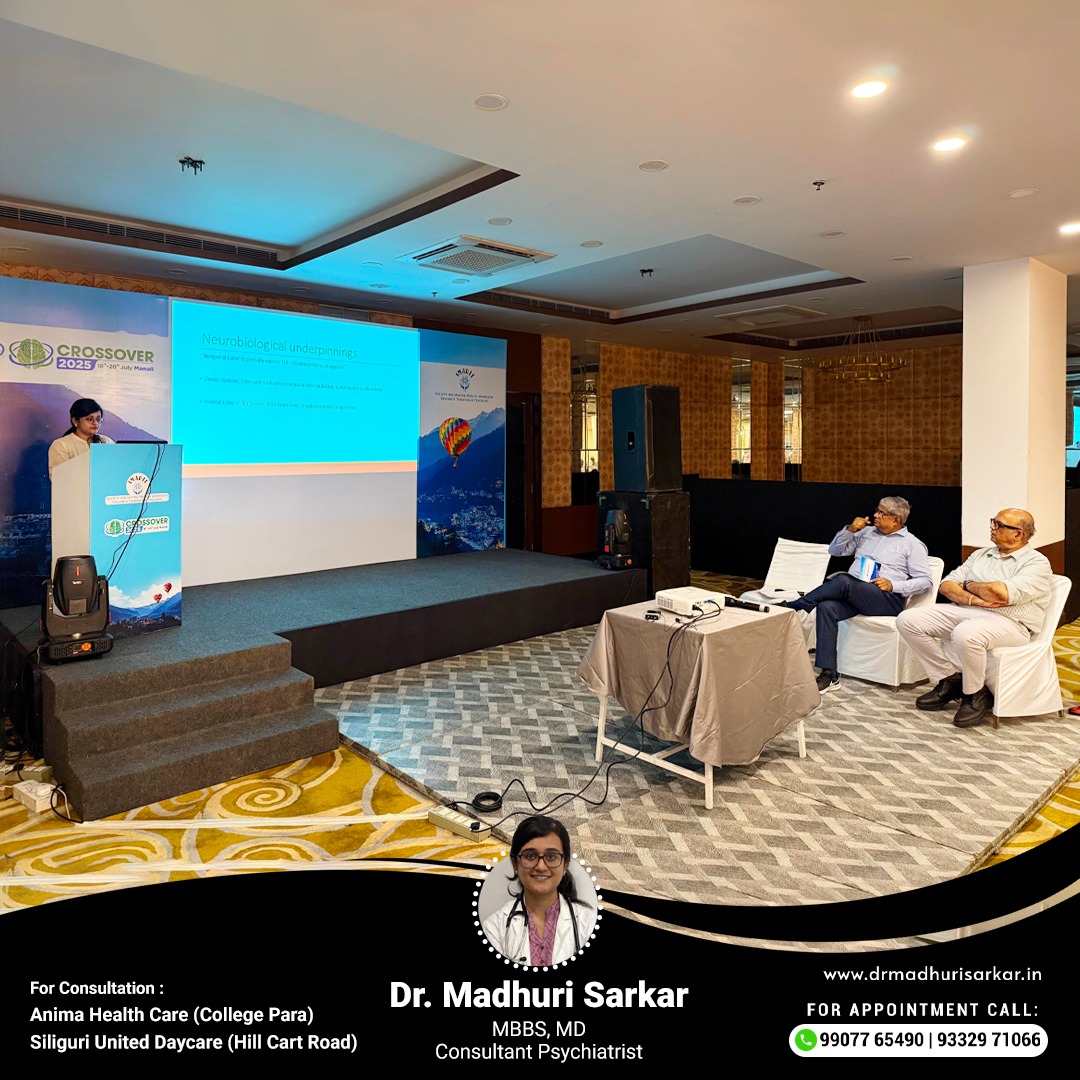

Dr. Madhuri Sarkar, is a renowned psychiatrist, based in Siliguri. After accomplishing MBBS from dr. D. Y patil medical college, pune, she did her md in psychiatry and psychological medicine from North Bengal medical college and hospital. Apart from being well qualified and a reputed practitioner, she adds a personal touch in healing patients. she believes in a holistic approach to treat patients and strives to reduce stigma towards mental health disorders.
Know More
It is both an honor and a privilege to present my case study titled "Epilepsy and Psychosis: A Clinical Interface" at the prestigious Chandigarh Clinical Meet.
This presentation holds immense personal and professional significance for me—not only in my role as a psychiatrist, but also as someone who is profoundly invested in exploring the intricate and often underappreciated intersections between neurology and psychiatry. These two disciplines, though distinct, frequently converge in ways that reveal the deeply complex nature of the human brain and behavior.
Through this particular case, I hope to shed light on the multifaceted challenges that arise when managing comorbid conditions like epilepsy and psychosis—conditions that, when co-occurring, often complicate both diagnosis and treatment. More importantly, I aim to bring forward the human dimension of this clinical interface—the lived experience of the patient, the nuances of their journey, and the empathic, multidisciplinary care it demands.
By sharing this case, I wish to contribute to the ongoing dialogue around holistic and integrated approaches to neuropsychiatric care, and to emphasize the importance of clinical sensitivity, collaboration, and continued learning in our practice.

1. Open up about your feelings

2. Be mindful to our tasks

3. Exercise regularly

1. Take deep breaths

2. Go out for a run

3. Visit a psychiatrist

1. Decide to quit

2. Avoid those who encourage you to drink or smoke
3. Take help from your family & Psychiatrist

1. Set your limits and priorities

2. Communicate your problems

3. Do something that makes you happy

1. Reinforce good behaviour

2. Learn to communicate with your child
3. It’s ok to sometimes feel anxious and frustrated





Supporting emotional growth and building confidence for a healthier life.
Helping reduce stress and anxiety through professional care and guidance.
Providing trusted medication support for better mental health and stability.
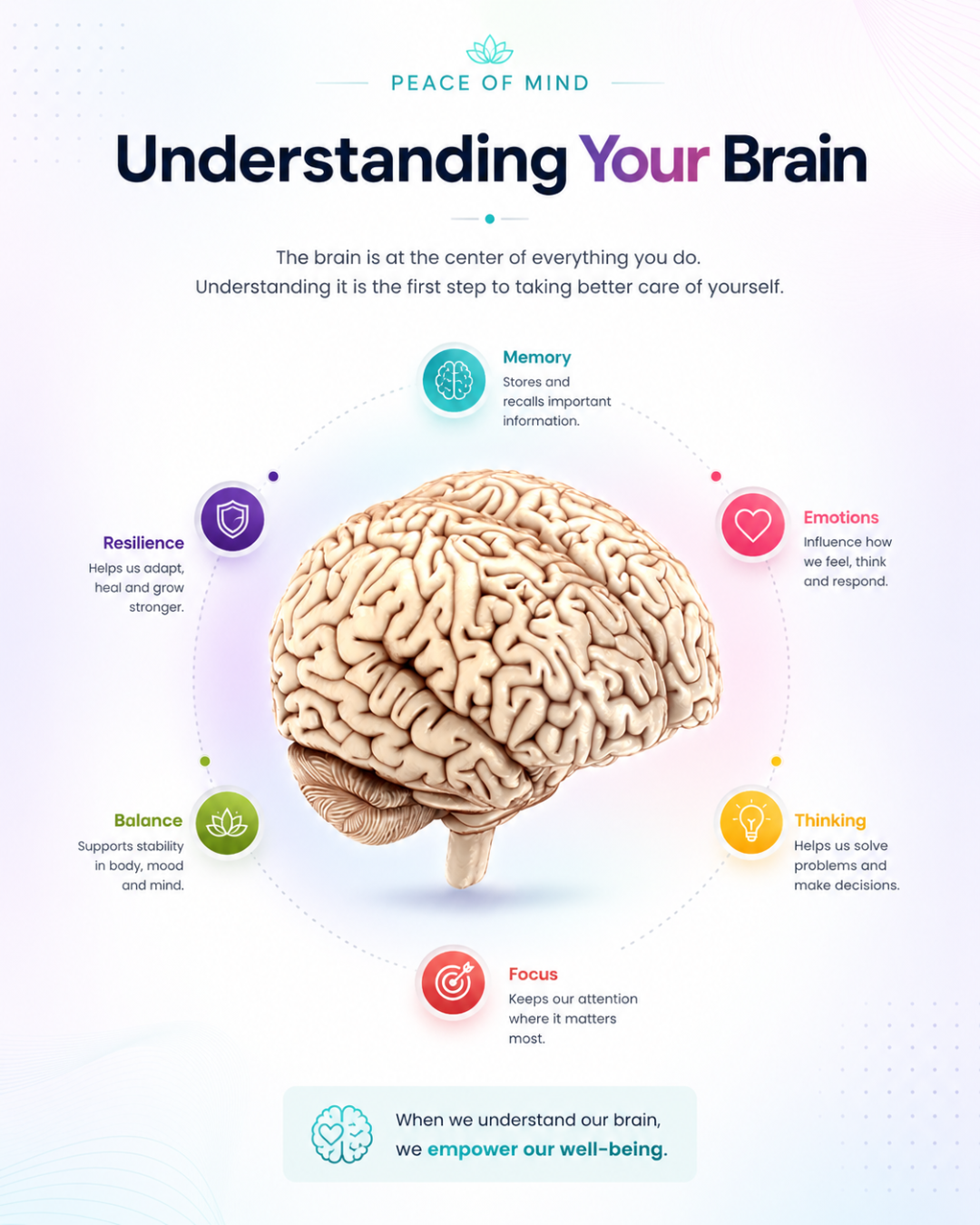
Encouraging personal growth and emotional well-being through guided support.
Building confidence, resilience, and positive life habits for a balanced future.
Helping individuals achieve mental wellness and healthier everyday living.

We have answers to common questions people ask

Dr Madhuri Sarkar is a renowned Neuropsychiatrist from Siliguri, West Bengal with lots of experience. She has accomplished MBBS MBBS from Dr. D. Y. Patil Medical College....